

English Speaking Doctor in Medellin: When to Go

A stomach illness after dinner, a painful UTI, an unexpected rash, or a respiratory infection can feel far more stressful when you are away from home. Finding an English speaking doctor in Medellin means you can explain what is happening clearly, understand your options, and make decisions without trying to translate medical details under pressure.
For travelers, digital nomads, expats, and international professionals, the right care is not simply about seeing a doctor quickly. It is about feeling heard, knowing what happens next, and receiving treatment in a way that fits your location, schedule, and level of urgency.
When to see an English-speaking doctor in Medellin
Urgent care is appropriate for health concerns that need timely medical attention but are not immediately life-threatening. This can include food poisoning, traveler’s diarrhea, dehydration, fever, sore throat, ear pain, sinus symptoms, urinary discomfort, skin infections, allergic reactions, minor cuts, sprains, and sexually transmitted infection concerns.
It can also be a practical choice when a problem is not dramatic but is getting in the way of your trip or work. A persistent cough before a flight, a migraine that is not responding to your usual medication, or a new rash that is spreading deserves a proper assessment. Waiting several days because you are unsure where to go can turn a manageable issue into a more complicated one.
Clear English communication matters especially when your care may involve prescriptions, lab work, imaging, follow-up instructions, or medication allergies. A bilingual physician can ask the right questions, explain what they are ruling out, and make sure you understand how and when to take the next step.
When urgent care is not enough
For chest pain, severe difficulty breathing, signs of stroke, fainting, major trauma, uncontrolled bleeding, seizures, severe confusion, or a suspected overdose, seek emergency care immediately. The same applies to severe abdominal pain, a high fever with a stiff neck, or any symptom that feels sudden, intense, or dangerous.
Urgent care can assess many acute conditions, but a hospital emergency department is better equipped for situations that may require surgery, advanced monitoring, or intensive intervention. The goal is not to guess which setting is most convenient. It is to choose the level of care that keeps you safe.
Choose care that fits your situation
A good medical experience should not require you to navigate a crowded waiting room if another option is more appropriate. Depending on your symptoms and circumstances, you may have a choice between virtual care, an in-office consultation, or an at-home visit.
Telehealth for straightforward concerns
A virtual consultation can be a sensible first step for many non-emergency concerns. It works particularly well for issues such as uncomplicated cold symptoms, medication questions, mild stomach upset, skin concerns that can be seen clearly on camera, travel-health questions, and follow-up care.
Telehealth is not ideal for every symptom. A doctor may need to listen to your lungs, examine an injury, check your hydration, or take a sample for testing. In those cases, a virtual consultation can still help you decide what to do next, but it may lead to an in-person appointment.
In-office urgent care for testing and examination
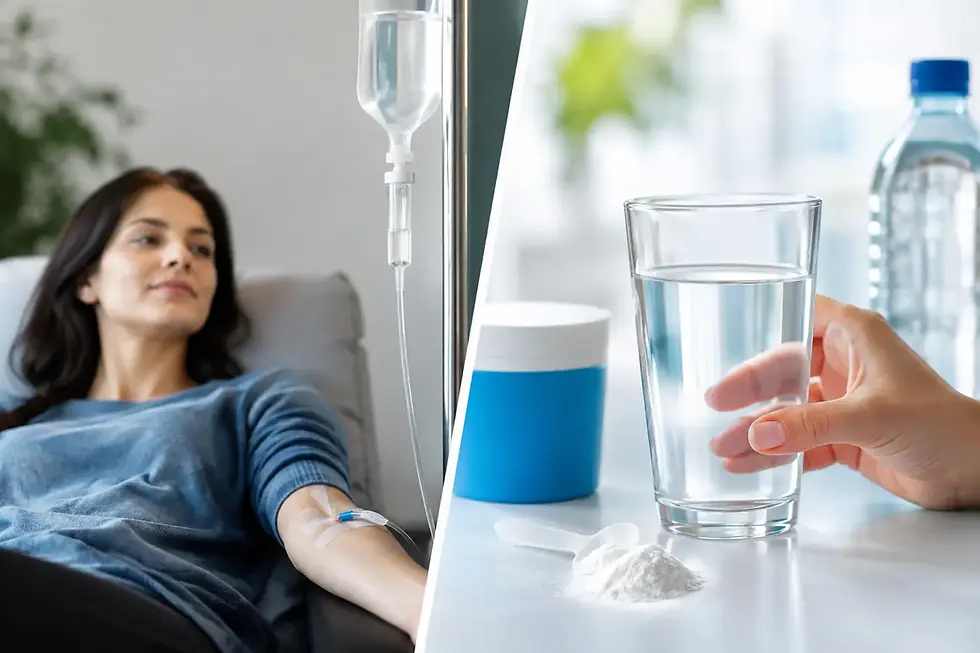
An in-office visit is usually the best fit when you need a physical exam, laboratory testing, imaging, IV therapy, wound care, or a more detailed evaluation. It offers privacy and direct access to the practical services that often make the difference between uncertainty and a clear treatment plan.
For example, symptoms of a UTI, STI exposure, persistent fever, significant dehydration, or a possible fracture may require more than a conversation. Your clinician can examine you, order appropriate tests, discuss the results, and explain whether treatment should begin right away or change once results are available.
At-home doctor visits when leaving is the hard part
At-home care can be especially valuable when you are too unwell to travel, caring for a sick child, recovering from a night of vomiting, or trying to avoid exposing others to a contagious illness. It can also offer welcome privacy for people who would rather receive care at their hotel, apartment, or residence.
For patients staying in Poblado, Envigado, or Laureles, an at-home visit can remove a major logistical barrier. Still, it depends on the condition. A doctor may recommend an office visit or emergency evaluation if your symptoms require equipment, testing, or monitoring that cannot be safely provided at home.
What a clear medical visit should feel like
Medical care in another country should not leave you with more questions than answers. Before your consultation, be ready to share your symptoms, when they started, medications you take, allergies, medical conditions, recent travel, and any treatments you have already tried. If you have a photo of a rash, a list of medications, or previous test results, keep them available.
During the visit, you should be able to ask direct questions: What do you think this is? What are the warning signs? Do I need testing? Is this medication safe with my current prescriptions? When should I expect to feel better? What should make me seek a higher level of care?
The answer is not always a prescription. Some conditions improve with hydration, rest, observation, or over-the-counter treatment. Others need antibiotics, antiviral medication, IV fluids, testing, or specialist follow-up. A careful physician will explain the trade-offs rather than treating every symptom the same way.
Prescriptions, tests, and follow-up without confusion
For foreign patients, logistics can be as stressful as the illness itself. You may not know whether a medication requires a prescription locally, where to obtain it, or how to interpret lab results in Spanish. That is why care coordination matters.
Ask for clear written instructions on your diagnosis or working diagnosis, prescribed medications, dosage, timing, possible side effects, and follow-up plan. If a test is ordered, confirm when and how results will be communicated. If you are traveling soon, tell the doctor. The plan may need to account for a flight, a remote work schedule, or limited time in Medellin.
Direct-pay private care can also simplify the process for visitors who do not have Colombian health insurance. Transparent service options and upfront pricing help you understand what you are choosing before your appointment. If you plan to submit a claim to travel insurance later, keep your receipts, medical notes, test results, and prescription documentation.
Care for more than an urgent problem
An English-speaking clinic can be useful even when your concern is not an acute illness. Many international residents need support with women's health, pediatric questions, psychology, functional medicine, wellness planning, or routine testing. Establishing a relationship with a physician before a problem becomes urgent can make future care faster and more personal.
This is particularly helpful for expats and digital nomads who may spend months in Medellin. Rather than delaying care until a trip home, you can address a recurring issue, review medications, discuss preventive testing, or get guidance that fits your life in Colombia.
A practical next step when you feel unwell
If your symptoms are not an emergency, do not let language concerns keep you from getting evaluated. Choose the care format that matches your condition, be honest about your symptoms, and ask for a plan you can follow with confidence.
At Equilibrium Urgent Care, English-speaking patients can access bilingual telehealth, in-office care, and at-home doctor visits with a focus on privacy, clear communication, and timely support. When you are away from home, competent care should help you feel steady again, not add another layer of stress.


Comentarios