
Altitude Sickness Treatment: What to Do First

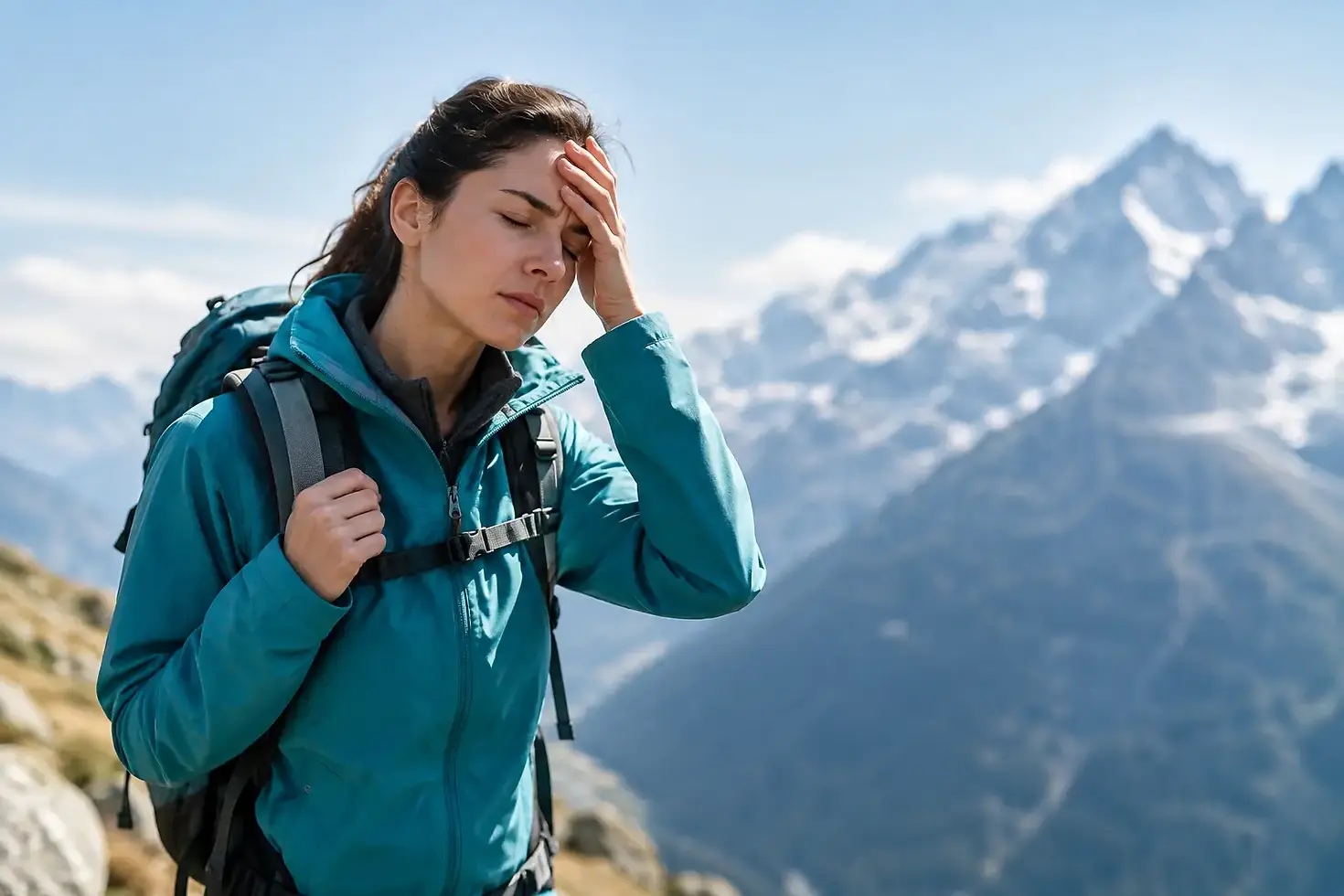
A headache that starts after a mountain drive or high-altitude hike can be easy to dismiss as dehydration, poor sleep, or a long travel day. But altitude sickness treatment should begin with a simple decision: do not keep going higher while symptoms are present. For most people, early symptoms improve with rest and careful monitoring. For a smaller number, they can become a medical emergency quickly.
For travelers based in Medellín, this is most relevant when visiting higher destinations in Colombia or traveling onward to cities and trekking routes at elevation. Medellín itself sits at about 4,900 feet (1,495 meters), which is below the altitude where classic acute mountain sickness usually develops. Bogotá, however, is about 8,660 feet (2,640 meters), and many mountain excursions rise far beyond that.
Recognize altitude sickness early
Acute mountain sickness, often called AMS, happens when the body does not adapt well to lower oxygen levels at higher elevations. It commonly begins within six to 24 hours after ascending above roughly 8,000 feet (2,500 meters), although individual thresholds vary.
The most typical pattern is a new headache after gaining altitude, along with one or more additional symptoms. These may include nausea, reduced appetite, fatigue, dizziness, poor sleep, or feeling unusually short of breath with exertion. The symptoms can resemble a hangover, flu, or dehydration, which is why the timing matters. If they began after a rapid ascent, altitude should be part of the picture.
Mild symptoms do not always mean a serious problem. Still, the safest rule is straightforward: do not ascend further until you feel fully better. Pushing through a headache to reach the next viewpoint, trail camp, or hotel is how a manageable issue can become much more dangerous.
Altitude sickness treatment for mild symptoms
For mild AMS, treatment focuses on halting further ascent, resting, and allowing the body time to acclimatize. Drink fluids normally and eat what you can tolerate, but do not force excessive water intake. Overhydration will not correct altitude illness and can cause problems of its own.
Avoid alcohol, sedatives, sleeping pills, and strenuous exercise until symptoms have resolved. Alcohol can worsen dehydration and disturb sleep, while sedatives may suppress breathing during sleep. A quiet day at the same altitude is often the right choice.
For headache or body aches, acetaminophen or an anti-inflammatory medication may provide relief if you can take it safely. These medications can make you more comfortable, but they do not treat the underlying oxygen-related problem. Symptom relief is not permission to continue ascending.
Oxygen, when available, may improve symptoms while you arrange a safer plan. It is supportive care, not a substitute for descent when symptoms are worsening or severe. A clinician may also consider acetazolamide, a prescription medication that helps speed acclimatization. It is used both for prevention in selected travelers and for treatment in some cases, but the right dose and timing depend on your medical history, allergies, kidney function, other medications, and symptom severity.
When descending is the treatment that matters most
Descent is the most effective treatment for worsening altitude illness. Even going down 1,000 to 3,000 feet can make a meaningful difference. You do not need to return all the way to sea level, but you should get to a lower altitude promptly and avoid exertion during the move.
Do not wait for symptoms to become dramatic if a person is clearly deteriorating. Increasing headache, repeated vomiting, marked weakness, worsening breathlessness, or inability to walk normally all call for urgent evaluation and likely descent. Weather, darkness, terrain, and transportation can complicate mountain travel, so making the decision early is safer than waiting.
A common mistake is assuming that fitness protects you. It does not. Marathon runners, experienced hikers, and people who live at moderate elevations can still develop altitude sickness after a rapid ascent. The main risk factor is how quickly you go up, not how strong you are.
Emergency signs: confusion, poor coordination, or breathing trouble
Two severe altitude illnesses require emergency care: high-altitude cerebral edema (HACE), which affects the brain, and high-altitude pulmonary edema (HAPE), which affects the lungs. Both can be life-threatening.
HACE may cause severe headache, confusion, unusual behavior, extreme drowsiness, difficulty speaking clearly, or loss of coordination. A practical field check is whether the person can walk heel-to-toe in a straight line. Stumbling or being unable to walk steadily, especially with a headache and recent ascent, is an emergency.
HAPE can cause shortness of breath while resting, a persistent cough, chest tightness, blue or gray lips, rapid heartbeat, or a wet, crackling sound in the chest. Someone with HAPE may struggle to keep up with others, then become breathless even while sitting still.
For either condition, descend immediately if it can be done safely, provide oxygen if available, keep the person warm, and seek emergency medical help. Do not leave the person alone. In Colombia, call 123 for emergency services when available, or go to the nearest emergency department. If you are in a remote setting, activate local rescue resources without delay.
What a clinician may assess
Altitude illness is diagnosed primarily from the story: recent ascent, altitude reached, symptom timing, and the pattern of progression. A clinician will also check oxygen saturation, heart rate, breathing, temperature, blood pressure, hydration status, lung sounds, and neurologic function.
That evaluation matters because not every headache, cough, or shortness of breath at elevation is altitude sickness. Viral illness, asthma, pneumonia, migraine, anxiety, heart conditions, dehydration, and carbon monoxide exposure can overlap with these symptoms. Treating every symptom as altitude-related can delay the care someone actually needs.
For English-speaking visitors who develop symptoms after travel to a higher elevation, Equilibrium Urgent Care can help assess non-emergency symptoms through a bilingual consultation, including guidance on whether home monitoring, medication, in-office assessment, or immediate escalation is appropriate. A clear discussion in English can be especially valuable when you are tired, nauseated, and far from your usual healthcare system.
Preventing problems on your next ascent
The best altitude sickness treatment is often prevention through a slower itinerary. Above 8,000 feet, a practical goal is to increase sleeping elevation gradually, with rest days built into longer mountain trips. Day trips to a higher point can be reasonable when you return to sleep lower, but symptoms still deserve attention.
If you have had altitude sickness before, are planning a rapid ascent, or have heart, lung, kidney, or sleep-related breathing conditions, speak with a clinician before the trip. Preventive acetazolamide can be helpful for some travelers, but it is not right for everyone. It should be part of a plan that also includes realistic pacing, a way to descend, and awareness of emergency signs.
Altitude symptoms can feel unsettling, particularly when they appear far from home. Trust the signal rather than trying to outlast it. Stop ascending, listen to how your body is changing, and get medical support early if the picture is anything less than clearly mild and improving.


Comentarios